Everything You Clowned on Eventually Comes Back Wearing Your Clothes
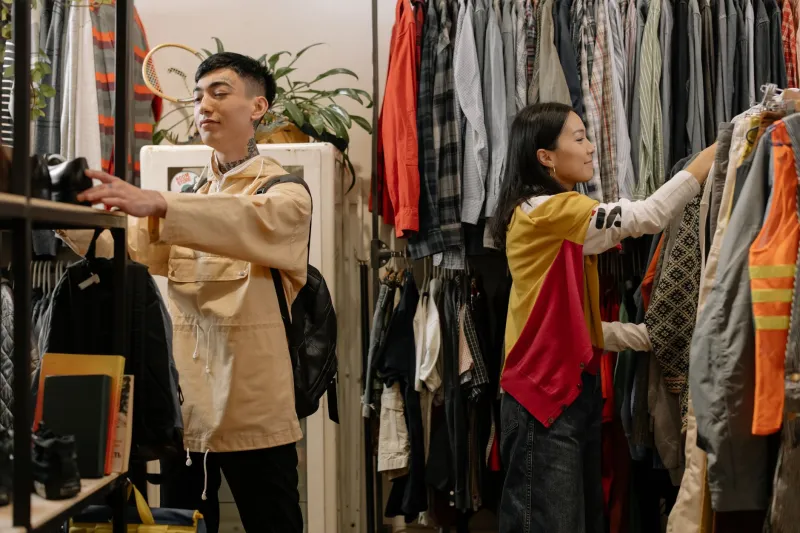
Somewhere right now, a 21-year-old is paying $40 for a vintage Hollister hoodie. The same hoodie that got you made fun of in 2004. The hoodie you donated to Goodwill in 2011 with a sense of relief so profound it felt like shedding a skin.
Welcome to the cringe cycle. Population: all of us, eventually.
The Pattern Is Almost Embarrassingly Predictable
Every generation does this. They inherit a cultural landscape partly built by the generation before them, spend their formative years rejecting it with maximum intensity, and then — give it about 20 to 30 years — watch it come roaring back as either ironic appreciation or full-throated revival. The specific objects change. The mechanism is clockwork.
Gen X spent the '90s torching everything that felt like Boomer-era squareness — the corporate conformity, the suburban cheerfulness, the uncomplicated patriotism. And then, right on schedule, Millennials discovered a deep affection for exactly that era: the station wagons, the wood-paneled basements, the earnest family sitcoms. That '70s Show wasn't just a TV series. It was a symptom.
Millennials, in turn, built their identity partly in opposition to '80s excess and '90s mall culture. And Gen Z? Gen Z is absolutely feral for it. The scrunchies came back. The low-rise jeans came back (much to the horror of every Millennial who lived through them the first time). Abercrombie & Fitch, a brand that spent a decade as a symbol of exclusionary, aspirational cruelty, is somehow having a redemption arc because a generation too young to remember its original sins found the aesthetic on TikTok.
Why Cringe Has an Expiration Date
There's a psychological logic to this that's actually pretty elegant. The things that feel most embarrassing to a generation are usually the things most deeply associated with their most vulnerable years — early adolescence, the desperate scramble for identity, the acute social anxiety of not knowing who you are yet. The cringe isn't really about the object. It's about the memory of being uncertain.
But here's the thing about memories: they soften. The Millennial who cringed at their frosted tips in 2005 isn't the same person looking at a photo of those frosted tips in 2024. The stakes are gone. The vulnerability has been metabolized. What's left is something almost tender — a kind of affection for the version of yourself that was trying so hard.
And when the next generation discovers those artifacts without the emotional baggage attached? They get to experience the aesthetic without the shame. They're not revisiting an awkward past. They're discovering a retro future. That's a completely different relationship to the same object.
The Participation Trophy Paradox
Let's talk about participation trophies for a second, because this particular cultural flashpoint is a masterclass in the cringe cycle operating in real time.
For years — years — the participation trophy was the go-to symbol of Millennial softness. Every op-ed about why Millennials were ruining the workforce eventually got around to it. The trophies were proof of coddling, of misplaced self-esteem, of a generation that couldn't handle losing.
And then something interesting happened: Millennials, now adults in their 30s with a little more distance from the criticism, started defending them. Not with total seriousness, but with a particular kind of stubborn affection that felt almost confrontational. Yeah, I got a participation trophy. I also showed up. That's worth something. The trophy stopped being a source of shame and became a kind of generational badge — a symbol of a childhood philosophy that, whatever its flaws, at least tried to center encouragement.
Is that a full rehabilitation? Not exactly. But it's a reframe. And reframes are how cringe becomes cool.
The Irony Layer Makes It Complicated
Here's where it gets genuinely interesting: Gen Z's relationship to nostalgia is different from every generation that came before, because they grew up with irony as a primary mode of cultural engagement. For Millennials, nostalgia was mostly sincere. You missed the '90s because you missed the '90s. The feelings were real even when they were silly.
Gen Z does something more layered. They can love something and know it's ridiculous and mean both things simultaneously. The affection for mall culture isn't entirely innocent — it's partly a commentary on mall culture, a knowing appreciation for something that was always a little absurd but is now safely absurd in the past tense. The irony is part of the aesthetic.
This creates a strange loop where sincerity and mockery become almost indistinguishable. Is the person wearing the Aeropostale tee doing it earnestly or ironically? At a certain point, does it matter? The cultural object gets reclaimed either way.
What the Cycle Actually Reveals
Strip away the specific trends and what you're left with is something pretty revealing about how generational identity actually works. We don't form our sense of self in isolation — we form it in opposition. You know who you are partly by knowing what you're not, and what you're not is usually whatever the generation ahead of you was.
The problem is that opposition is inherently unstable. You can't build a permanent identity on rejection because the thing you're rejecting keeps changing. It becomes embarrassing. It becomes nostalgic. It becomes cool again. And somewhere in that cycle, you realize that what you were really doing all along wasn't rejecting a trend — you were trying to figure out who you were.
The frosted tips, the participation trophies, the mall culture, the ironic fanny packs — they're all just artifacts of that search. Every generation leaves them behind and every generation finds them again, a little softer, a little funnier, a little more human.
The Next Cringe Is Already Loading
For what it's worth: the things Gen Z is currently most earnest about will, almost certainly, be the things that make Gen Alpha cringe hardest in about fifteen years. The carefully curated TikTok aesthetic. The very specific emotional vocabulary around mental health. The particular flavor of social justice discourse that feels so urgent and precise right now.
None of that is a criticism. It's just the pattern. Every generation's most sincere expressions become the next generation's source material for ironic revival.
And somewhere around 2045, a 20-year-old is going to pay $60 for a vintage Stanley cup, and the whole thing starts over.
That's not a tragedy. That's just how culture breathes.