Anyone Can Be the Expert Now — And That's Both Thrilling and Terrifying
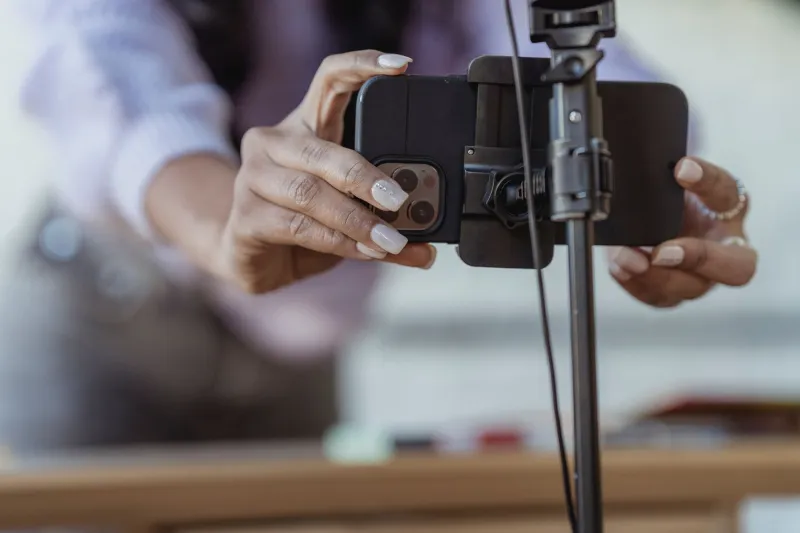
There's a moment that probably feels familiar to a lot of people somewhere in their thirties or forties. You're stuck on something — maybe it's a tax question, a weird rash, a car noise you can't identify — and instead of calling a professional or cracking open a reference book, you open your phone. Within ninety seconds, a twenty-three-year-old on YouTube has walked you through the entire thing, clearly, confidently, and for free.
And it worked.
That moment, small as it seems, is actually the tremor of something seismic. The old architecture of expertise — built on credentials, gatekeeping institutions, and the slow accumulation of professional legitimacy — has been cracking for years. Now, in a lot of corners of American life, it's basically rubble.
The Old Deal, and Why It Broke
For most of the twentieth century, knowing things was a controlled resource. Doctors knew medicine. Lawyers knew law. Journalists decided what counted as news. Teachers set the curriculum. Professors approved the research. If you wanted access to real, trustworthy information, you went through one of these sanctioned channels — and those channels decided whether you were worthy of the answer.
That wasn't entirely bad. Credentials exist for a reason. Peer review exists for a reason. But the system also had serious flaws baked in. It was expensive to access. It was slow. It was disproportionately controlled by people who looked alike, thought alike, and came from similar backgrounds. A lot of legitimate knowledge — folk medicine, community wisdom, lived experience — got dismissed entirely because it didn't come with the right letterhead.
The internet didn't just democratize information. It blew the whole credentialing infrastructure wide open. Suddenly, the question wasn't who gave you permission to know this — it was can you explain it clearly enough that people keep watching?
Generation by Generation, the Rules Rewrote Themselves
Different generations are experiencing this shift in genuinely different ways, and it's worth slowing down to notice that.
For Boomers, many of whom came of age in a world where authority was largely unquestioned — at least by mainstream culture — the collapse of institutional trust can feel disorienting. The family doctor used to be the final word. The evening news was gospel. When a Gen Z kid casually corrects them using a TikTok they watched that morning, the reaction is often somewhere between defensive and genuinely unsettled. Who do you trust when the old anchors are gone?
Gen X, perpetually skeptical of institutions anyway, adapted faster. They were already suspicious of the establishment. The rise of blogs, podcasts, and YouTube felt less like a disruption and more like a vindication — see, you didn't need the mainstream to validate you.
Millennials, who came of age during the internet's first wave, are the generation that most thoroughly internalized the new rules. They built the creator economy. They launched the wellness podcasts, the personal finance newsletters, the mental health Instagram accounts. Many of them have become genuine authorities in their spaces — not because a university said so, but because they showed up consistently, talked honestly about their own experiences, and built communities around shared struggle.
And Gen Z? They've never really known anything else. For them, a dermatologist's TikTok and a skincare influencer's TikTok exist in the same feed, and the burden of figuring out which one to trust falls entirely on them. That's a lot of weight for a generation that's still figuring out who they are.
The Liberation Part
Let's not skip past how genuinely good some of this is.
For communities that were historically excluded from mainstream expertise — Black Americans, LGBTQ+ people, immigrants, disabled folks, rural communities — the democratization of platforms has been quietly revolutionary. Mental health conversations that used to happen in hushed tones, if at all, are now happening openly, accessibly, and in the specific cultural languages that actually resonate.
A queer teenager in rural Kansas can now find people online who reflect their experience back to them, sometimes more accurately than any licensed therapist they might have access to. A first-generation college student can find someone on YouTube who actually explains how financial aid works without assuming you already know the vocabulary. A Black woman dealing with a misdiagnosed chronic illness can find a community of people who've navigated the same medical dismissal she has.
That's not nothing. That's actually enormous.
The Chaos Part
But here's where it gets uncomfortable.
When credentials stop being the primary signal of trustworthiness, something has to replace them. And what's filled that gap, largely, is vibe. Authenticity. Relatability. Confidence. The ability to speak in the cadence that feels right to a particular audience.
Those are not the same thing as accuracy.
We've watched this play out in painful, sometimes deadly ways. Vaccine misinformation spread faster than any public health campaign could counter it, not because the anti-vax voices were more credentialed, but because they were more compelling storytellers. Wellness influencers have sold unproven supplements to people who were genuinely sick and genuinely desperate. Financial advice from social media personalities has led real people into real financial ruin.
The problem isn't that these voices exist. The problem is that the tools most people have to evaluate them are still catching up to the landscape. We were taught to check whether something came from a trusted institution. We weren't really taught how to think critically when the institutions themselves have lost credibility.
So What Do We Actually Do With This?
Honestly? There's no clean answer, and anyone who tells you there is should probably be trusted a little less.
What seems clear is that the solution isn't a nostalgic retreat to the old gatekeeping model. Those gates kept out too many people and too much legitimate knowledge to be worth rebuilding. But the alternative isn't a free-for-all where charisma is the only currency.
What might actually help is a different kind of literacy — one that's less about who gave you permission to speak and more about what's the quality of your reasoning, what are your sources, and what do you have to gain from telling me this? That's a harder skill to teach than checking credentials, but it's the one that actually fits the world we're living in.
Every generation right now is navigating this in real time, with different tools and different blind spots. Boomers are learning to question sources they used to trust automatically. Gen Z is learning that relatability and reliability aren't synonyms. Millennials are figuring out what responsibility looks like when you've accidentally become someone's trusted voice.
The gatekeepers are gone. The question now is whether we can build something better in the space they left behind — or whether we'll just spend the next decade arguing about who gets to hold the keys.