The Couch Came With Conditions
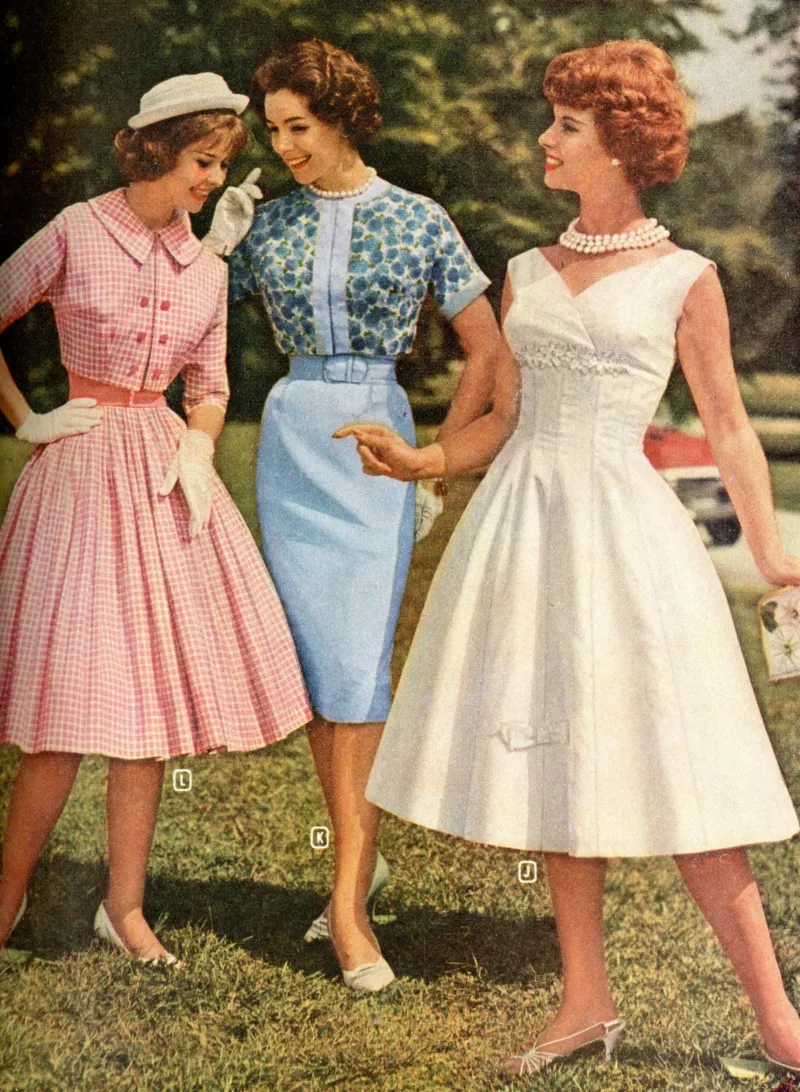
Photo: vintage furniture thrift store haul moving truck hand me down couch, via i.pinimg.com
A dining table with a water ring in the finish. An armchair the cat ruined in 2011. A set of dishes that have been to four states and two divorces. Somebody's hatchback is, at this very moment, doing 70 down a highway with a lamp in it, and that person is doing a favor that will be repaid in a currency they haven't identified yet.
The hand-me-down is back. It just didn't come back empty.
The Thrift Haul and the Basement Couch Are Not the Same Thing
It's tempting to lump resale, thrifting, Buy Nothing exchanges, and inheritance into one big sustainability trend, but they run on different engines. A thrifted jacket is a purchase — cheap, fun, and yours the second you walk out. An inherited couch is a relationship.
That's the distinction getting flattened in much of the coverage. The resale economy runs on money. The hand-me-down economy runs on memory, obligation, and the question of who in the family is allowed to say no.
'Free' Has a Reciprocity Clause
Buy Nothing groups are genuinely lovely — strangers handing over bookshelves and half a bag of potting soil with no expectation of return. Except the expectation is usually there, softly. You owe a porch pickup. You owe a thank-you photo of the item in its new home. You owe the group's general etiquette, which is warmer and more judgmental than you expected.
Inside families, the exchange rate gets steeper. The free couch costs a Saturday, a truck rental, a favor from your brother-in-law, and a standing debt to the parent who "just wanted it to stay in the family." That's not fraud. It's just that hand-me-downs were never about objects. They're about continuity, and continuity has terms.
Furniture Remembers Where You Came From
Two people can own the exact same mid-century chair and be having completely different experiences. One bought it at a flea market in 2016 for $40 and loves the story. One inherited it and cannot get rid of it without a phone call they don't want to make.
There's a whole layer of class memory sunk into the wood grain. For plenty of families, keeping things wasn't aesthetic — it was practical, and sometimes it was shame. Hand-me-downs were how you got through a year that didn't go well, and being the kid in the cousin's coat was not always a neutral experience.
The market hasn't helped. The estate-sale flood of the mid-2020s has made "brown furniture" nearly unsellable, which means the family that assumed the mahogany set would be fought over has discovered nobody's bidding. That's not just a market event. It's a generational verdict, and someone's grandmother knows it.
The Old Rules: Keep It, Fix It, Never Throw It Out
Frugality was a moral system before it was a lifestyle. Depression-era households, immigrant households, rural households — three very different traditions that arrived at the same rule: you don't discard something that still works. Repairing wasn't virtue signaling. It was Tuesday.
But the same system could be wielded as leverage. The gift with strings. The furniture used as a proxy for control. The sibling who ends up with the house and the rest of the family who ends up with a grudge. Objects can carry love and can carry a leash, and the two are hard to tell apart when the person holding it is crying.
What Younger Americans Are Rewriting
Here's where it gets interesting. This generation is not rejecting the hand-me-down — they're buying more used things than their parents did, repairing what they own, and treating resale as the default rather than the fallback. But they're also adding clauses that would have seemed rude two decades ago.
Do you want this, or are you trying to get rid of it? Singular, direct, no pressure. Asking whether a sibling actually wants the china before assuming the answer. Photographing the provenance. Passing down the recipe instead of the sideboard. Refusing loudly enough that the refusal isn't a silent wound.
Some of it sounds transactional. Mostly it's just honest, which the old system pretended to be and frequently wasn't.
Handing It Down Without the Weight
If you're the one doing the giving — or the sorting, which is its own grief — a few things help. Offer, then let it be refused, and mean it. Tell the story out loud while the object is still in your hands, because the story is the part that's actually inheritable. Write down who bought it and when, even if it's just on masking tape. And don't confuse a house full of belongings with a legacy.
The couch can stay in the family. It just doesn't have to come with a bill.