You Think You Had It Hard? Every Generation Does — And That's the Whole Problem
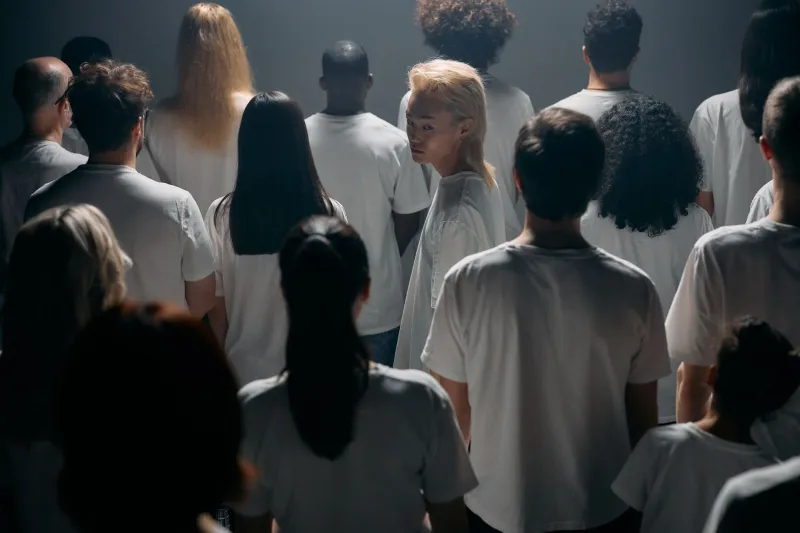
Somewhere right now, a Baby Boomer is telling a Millennial that buying a house just requires discipline. Somewhere else, a Gen Xer is rolling their eyes at a Gen Z kid who's stressed about student debt. And somewhere a Millennial — yes, the same generation that spent a decade getting dunked on for avocado toast — is sighing at a 22-year-old who seems overwhelmed by a job application process that requires submitting a three-minute video introduction.
Every generation inherits a grudge. And every generation, almost without exception, turns that grudge into a worldview.
This isn't just a vibe. It's a pattern so consistent across time and culture that it practically qualifies as a law of human behavior: the people who came before you will always believe, on some level, that you have it easier than they did. The question worth asking isn't just why — it's what that belief actually does to all of us.
The Myth That Keeps Regenerating
Let's start with the mechanics. When a generation looks back on its own formative years, memory doesn't deliver a documentary — it delivers a highlight reel of hardship. The psychological term for this is rosy retrospection, but there's a flip side that's less discussed: we don't just remember our past struggles with pride, we actively flatten the struggles of whoever came next.
This happens partly because of what researchers call the end of history illusion — the tendency to believe that, while we've grown and changed enormously up to this point, we've now basically arrived. The world as we understand it feels like the finished product. So when younger people describe challenges that don't match our mental map of what "hard" looks like, we default to skepticism.
A Boomer who paid off a house on a single factory worker's salary isn't lying about that experience. But they may be genuinely unable to process that the median home price in the US has increased over 600% since 1970, while wages have grown at a fraction of that pace. The numbers exist. The comprehension gap is real.
It's Not Just Boomers — It Never Was
Here's where it gets uncomfortable: the generational dismissal game isn't a Boomer invention that Millennials and Gen Z are innocent of. It's a relay race, and everyone picks up the baton eventually.
Gen X — the generation that practically built its identity around being overlooked and self-sufficient — spent years being annoyed by Millennial sensitivity. The same cohort that grew up as latchkey kids, who prided themselves on figuring things out without helicopter parents or participation trophies, looked at Millennials asking for workplace feedback and mental health days and thought: seriously?
And Millennials? The generation that was mocked relentlessly for their economic anxiety, who watched their career prospects evaporate in the 2008 financial crisis while being blamed for killing chain restaurants — some of them have started doing it too. There's a whole micro-genre of Millennial content that positions Gen Z as overly fragile, too online, too unwilling to just push through. The irony is almost poetic.
Each generation absorbs the dismissal aimed at them, metabolizes it into a kind of armor, and then — almost inevitably — points that same armor at whoever is coming up behind them.
Why the Brain Loves This Particular Lie
There's a cognitive comfort in believing your suffering was uniquely legitimate. It validates the choices you made, the sacrifices you endured, and the identity you built around getting through it. If the next generation has it just as hard — or harder — that doesn't invalidate your experience, but it does disrupt the narrative of earned wisdom.
There's also a status dimension. Across cultures and throughout history, having survived hardship confers a kind of social currency. Elders who can say I walked uphill both ways aren't just being grumpy — they're asserting seniority. The claim that younger people have it easier is, in part, a claim to authority.
Add to this the very real economic anxiety that many older generations carry. When Boomers watch Gen Z demand work-life balance, remote flexibility, and psychological safety at work, some of the pushback isn't just dismissiveness — it's the sound of people who gave up those things and don't want to believe they had to. Validating Gen Z's demands would mean confronting the possibility that their own sacrifices weren't inevitable. That's a hard pill.
What Gets Lost in the Gap
The real cost of this cycle isn't just inter-generational tension at Thanksgiving. It's the practical failure to respond to genuine, documented crises.
When Millennials were drowning in student debt and stagnant wages, the dominant cultural response was mockery. The policy response was slow and insufficient. When Gen Z started reporting record levels of anxiety, depression, and social isolation, a significant portion of the public discourse was: they're just soft, they need to put down their phones. As if the phones appeared out of nowhere, unconnected to the economic and social systems adults built and handed down.
Dismissing a generation's struggles doesn't make those struggles disappear. It just delays the collective reckoning — and usually makes the problems worse in the meantime.
Breaking the Loop
The good news — and there is some — is that awareness matters. Recognizing the pattern doesn't automatically dissolve it, but it creates space for something different.
What would it look like if, instead of defaulting to you have it easier, older generations asked what's actually different now? Not as a rhetorical question, but a genuine one. Because the answers are often data-rich and specific. Housing costs. Climate anxiety. A gig economy that offers flexibility but strips away stability. A social media environment that is genuinely new and genuinely difficult to navigate, especially for developing brains.
And for younger generations — the ones currently on the receiving end of the dismissal — there's something worth sitting with too. The instinct to respond to "okay Boomer" energy with its own generational contempt doesn't break the cycle. It just keeps the relay going.
Every generation has a story. Some chapters are harder than others. But the habit of grading everyone else's difficulty on a curve that only makes your own chapter look good? That's not wisdom. It's just the same old script, dressed up in different slang.
We can do better than that. We've just never really decided to try.